


Essential Digital Tools for Contracting in 2025
By CII Advisors Editorial Team · Updated 2026-07-09
Contracting businesses in 2025 should adopt digital tools — including AI-driven project management platforms, estimating software, and cloud-based collaboration systems. As the construction software and digital-tool market is accelerating rapidly, making these solutions more affordable. Targeted for small and mid-size firms with limited budgets. Staying competitive now depends on actively integrating these technologies, not simply exploring them.
Contracting businesses that fail to adopt digital tools in 2025 risk falling behind competitors who have already made the shift. Construction industry trends confirm that 2025 marked a turning point where AI-driven risk prediction, project management platforms. Field communication software moved from optional upgrades to operational necessities for staying competitive.
Key Takeaways
- Contracting businesses that adopt digital project management tools in 2025 reduce costly scheduling delays significantly.
- Cloud-based platforms like Procore centralize documentation, giving teams real-time access across all job sites.
- Automated estimating software cuts bid preparation time by up to a notable share, improving proposal accuracy and speed.
- Lower middle market contractors with $5–$50 million in revenue gain the most competitive advantage from early adoption.
What digital tools do contracting businesses need most?
Contracting businesses need contractor software systems that cover project management, field data collection, job costing, and intelligent forecasting. The global construction software market is projected to grow from roughly $4 billion in 2024 to $7 billion by 2029. And contractors who delay adoption lose ground to competitors who are already operating faster and leaner.
The core digital toolkit for contractors today includes:
- Construction project management software — centralizes scheduling, subcontractor coordination, and document control in one platform
- Real-time job costing — tracks labor, materials, and overhead against budget as work happens, not after the fact
- Mobile field data collection — allows crews to submit timesheets, inspection reports, and progress photos directly from the jobsite
- Building information modeling BIM — creates detailed 3D project models that reduce costly design conflicts before construction begins
- Artificial intelligence in construction — analyzes project data to flag schedule risks and cost overruns before they escalate
Why has digital adoption shifted from optional to essential?
Digital tools are no longer a competitive advantage — their absence is a competitive liability. What once felt like an exploratory investment has become a baseline requirement. Contractors operating without integrated digital workflows face slower project delivery and thinner margins.
Are these tools accessible to smaller contracting businesses?
Smaller and mid-size contractors now have access to affordable, targeted digital tools that were previously reserved for large enterprise operations. The market shift toward scalable, subscription-based platforms means a regional HVAC or roofing company faces far fewer barriers to entry than it did even five years ago.
CII Advisors works with contracting business owners across Florida and the Southeast and recognizes that strong digital infrastructure directly influences enterprise value at the time of a business sale or transition.
How does construction project management software improve operations?
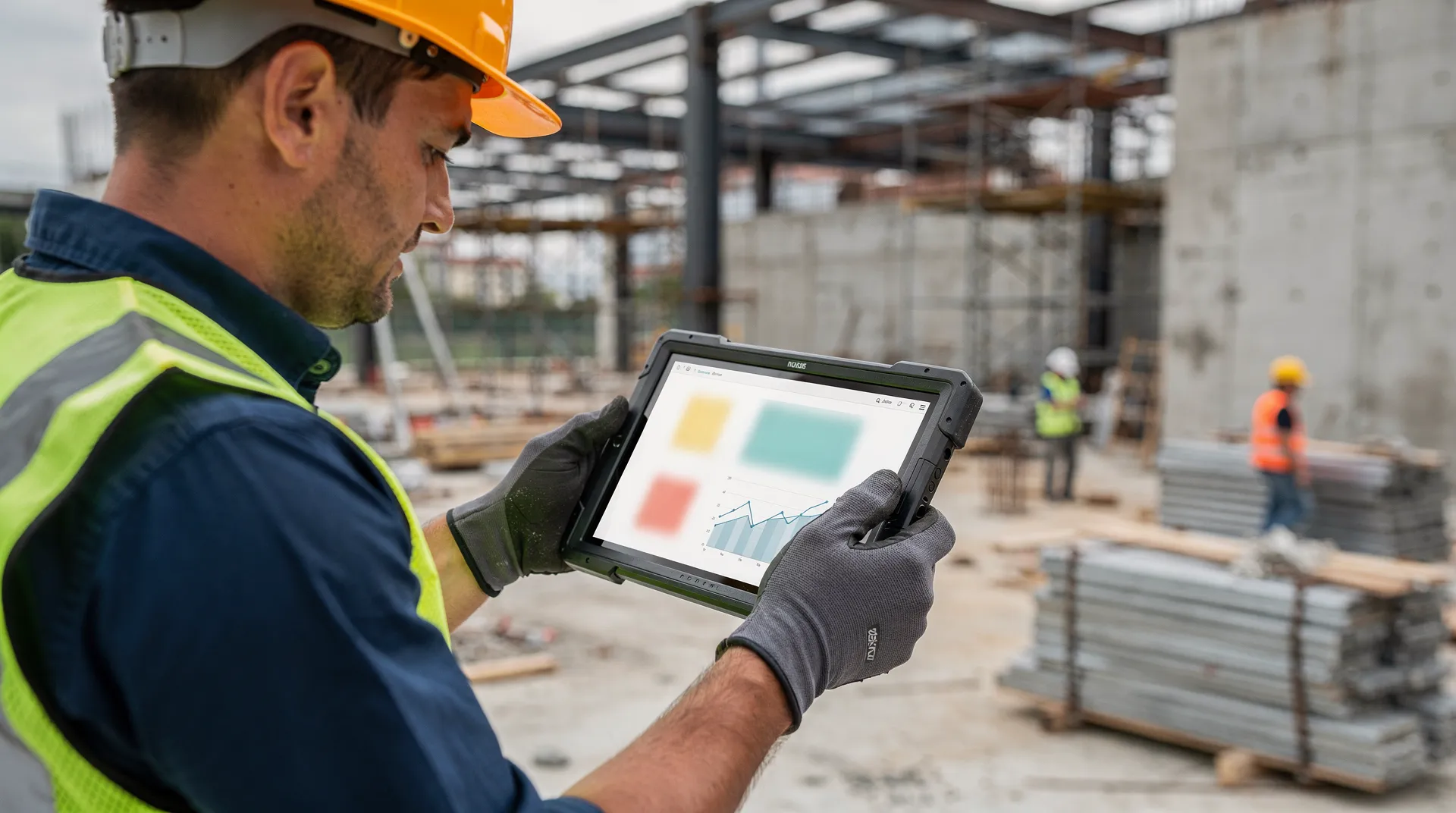
Construction project management software streamlines contractor operations by connecting scheduling, budgeting, field communication, and documentation into a single platform. Contractors who operate without integrated contractor software systems lose visibility across active jobs, which drives cost overruns and missed deadlines.
Connected platforms make collaboration smoother across office and field teams. Real-time job costing — the practice of tracking labor, materials. Overhead expenses as they occur rather than after the fact. Gives project managers an accurate financial picture at every stage. Without that live data, budget variances surface too late to correct.
Mobile field data collection extends that visibility directly to the jobsite. Field crews log progress, flag issues, and submit documentation from a phone or tablet, eliminating the paper-based delays that slow traditional workflows. The result is speed, precision, and resilience — qualities that separate competitive contractors from those falling behind.
How does building information modeling improve project coordination?
Building information modeling BIM creates a shared 3D digital model that all project stakeholders — architects, engineers, and contractors — reference throughout a project’s lifecycle. BIM reduces costly rework by surfacing design conflicts before construction begins, keeping projects on schedule and within budget.
What role does artificial intelligence play in modern construction software?
Artificial intelligence in construction is becoming more precise in predicting risks before they surface on a jobsite. AI-powered tools analyze historical project data to flag scheduling conflicts, budget anomalies, and safety concerns early. Data-driven decision-making is now the expectation on construction projects, not the exception.
For construction business owners evaluating how technology investments affect enterprise value, CII Advisors provides M&A advisory perspective on how operational efficiency translates into stronger sale outcomes.
Why does real-time job costing and field data matter?
Real-time job costing gives contractors an accurate, up-to-the-minute picture of labor, materials, and overhead costs as work progresses — not after the fact. Construction margins remain tight, projects grow more complex, and contractors who lack precise cost tracking lose profitability before a problem becomes visible on a final invoice.
Mobile field data collection closes the gap between the jobsite and the back office. When field crews capture hours, material usage, and change orders in real time, project managers act on accurate information rather than yesterday’s estimates. Delays in that data flow translate directly into budget overruns that compound across every subsequent phase of a project.
How does field data connect to overall project financial health?
Contractor software systems that integrate field inputs with accounting and scheduling create a single source of financial truth. When a foreman logs a material delivery on a mobile device, that entry updates cost projections, flags variances, and informs the next purchase order — all without a manual handoff. Construction project management software built around this feedback loop reduces the risk of discovering a cost overrun only at project closeout.
Why do lower middle market contractors need this discipline most?
Smaller contractors operating in the $5 million to $50 million revenue range. The segment CII Advisors works with across home services and construction-adjacent industries — carry less financial cushion than large enterprises. A single project with untracked costs erodes margins that took multiple successful jobs to build.
- Tight margins leave little room for cost surprises
- Complex projects require granular, phase-by-phase tracking
- Digital tools make precise tracking accessible without enterprise-level budgets
How are BIM and AI reshaping modern contracting workflows?
Building information modeling BIM and artificial intelligence in construction are replacing traditional contracting workflows with smarter, faster, and safer digital processes. Contractors who delay adopting these tools lose ground to competitors who deliver projects with greater precision and fewer costly surprises.
Contractor software systems that integrate BIM create a shared, three-dimensional model of a project before a single shovel breaks ground. Every stakeholder — from the architect to the subcontractor — works from the same live data. Errors caught in the model cost a fraction of what they cost to fix in the field.
AI layers predictive intelligence on top of that foundation. Rather than reacting to problems after they appear, AI analyzes patterns across project data. Flags risks before they surface on the jobsite. That shift from reactive to proactive management is one of the most significant changes in modern construction.
How does real-time data change day-to-day project decisions?
Real-time job costing and mobile field data collection feed live information directly into the project model. Foremen update labor hours, material usage, and progress from the field, and project managers see accurate cost positions without waiting for end-of-week reports. Decisions that once took days now take minutes.
Where does robotics fit alongside AI on modern jobsites?
Robotics and automation have expanded well beyond hazardous-task support and now contribute to everyday jobsite efficiency. Automated equipment handles repetitive, time-sensitive tasks while construction project management software coordinates scheduling, resource allocation. Documentation in a single platform. Together, these tools reduce rework, compress timelines, and protect margins.
For business owners evaluating how technology investments affect enterprise value, advisors at CII Advisors help translate operational improvements into measurable outcomes during a sale or transition process.
How do digital tools affect a contracting business’s sale value?
Digital tools raise a contracting business’s sale value by converting informal, owner-dependent operations into documented, repeatable systems that buyers can underwrite with confidence. Contracting businesses without these systems lose negotiating leverage at the deal table, often accepting lower multiples because buyers price in the operational risk of undocumented workflows.
Construction project management software creates a verifiable record of project timelines, costs, and margins. Real-time job costing — the practice of tracking labor, materials, and overhead against a budget as work progresses — gives buyers proof that profitability is measurable and manageable, not guesswork. Mobile field data collection eliminates paper-based gaps in job records, producing clean data trails that survive due diligence scrutiny. Building information modeling BIM signals to acquirers that a firm operates at a sophisticated, scalable level. Artificial intelligence in construction further strengthens value by enabling predictive scheduling and risk identification that reduce project overruns.
Integrated contractor software systems tie these capabilities together into a unified operational picture. Exactly what buyers and their lenders need to justify a premium offer.
Which digital tools matter most to buyers during due diligence?
Buyers prioritize tools that produce auditable financial and operational records. Job costing platforms, field reporting apps. Project management dashboards directly support the financial verification process that determines final deal terms.
How does CII Advisors help contractors prepare their technology story for a sale?
CII Advisors offers business valuation and succession planning services that help lower middle market business owners understand how operational infrastructure, including digital systems, affects market value. The firm has served clients across Florida and Georgia for over four decades.
Adopting the right digital tools transforms a contracting business from reactive to strategic, giving owners clearer visibility into operations, finances, and customer relationships. Each tool covered here builds on the others, creating a connected system that reduces wasted time and supports smarter decisions. For contracting business owners thinking about long-term value — including an eventual sale or transition. That operational efficiency translates directly into a stronger, more attractive company. Start with one area, build the habit, then expand.
FAQ
What digital tools do contracting businesses need most in 2025?
Core tools include construction project management software, real-time job costing, mobile field data collection, BIM. AI-driven risk analysis — each addressing a distinct operational gap that slows project delivery and shrinks margins.
How much time does estimating software save contractors on bids?
Automated estimating software cuts bid preparation time by up to a notable share, improving both proposal accuracy. The speed at which contractors respond to new opportunities.
Which contractors gain the most competitive advantage from early digital adoption?
Lower middle market contractors with $5–$50 million in annual revenue gain the greatest competitive advantage. CII Advisors recognizes that strong digital infrastructure directly influences enterprise value at the time of a business sale or transition.
Conclusion
For contracting businesses in 2025, adopting the right digital tools is no longer a future consideration — it is an operational requirement for staying competitive. Construction project management software, real-time job costing, mobile field data collection, BIM, and AI-driven risk analysis each address a distinct gap in how projects are planned, executed, and measured. Together, these contractor software systems convert informal, owner-dependent workflows into documented, repeatable processes that support stronger margins, faster project delivery, and greater enterprise value. Contracting business owners who want to understand how operational infrastructure translates into sale readiness and long-term value are encouraged to connect with CII Advisors for a straightforward conversation.